- [email protected]
- Mouthiers sur Boëme, France
- +33 972 508 828
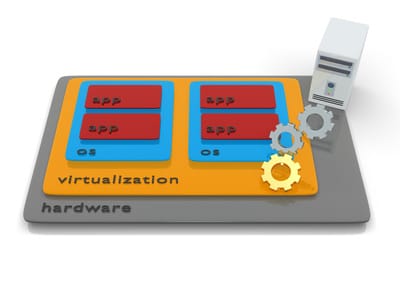
Virtualisation is the ability to run several separate servers (web, SQL, email, firewall, …), called VMs (virtual machines), on a single physical server. It is as if the physical server were divided into several small servers, each using its own resources. Faster and more secure!
Virtualisation therefore means creating virtual versions of physical equipment, such as servers, computers or networks. It works thanks to software called a hypervisor, which divides a physical host into several virtual machines (VMs). Each VM works like an independent computer, with its own operating systems and applications, sharing the physical resources efficiently.
With virtualisation, a physical server’s resources are used to 100%, which gives a better return on investment (whether purchased or leased).
Virtualisation also offers the following benefits:
Protection Proactive Protection contre les menaces En 2020, les modes de vie et de travail
En savoir plusDiscover the many benefits of using a virtualised architecture!
En savoir plusA virtualised architecture is a project that requires following clearly defined key steps to achieve
En savoir plus
