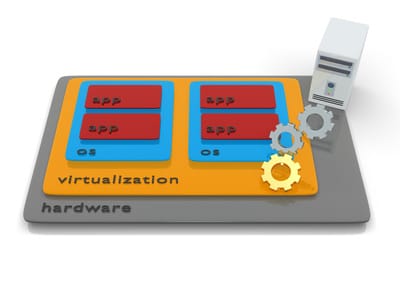
The steps to adopting a virtualised architecture

The steps to adopting a virtualised architecture
  • Needs analysis: assess your current and future needs to decide which systems to virtualise.
  • Architecture design: plan the hardware and software resources required.
  • Deployment: install the hypervisors, configure the VMs and test performance.
  • Management and optimisation: monitor continuously and adjust configurations to keep up with changes.

Example processes

  • An SME modernises its infrastructure by replacing its old physical servers with a scalable virtualised solution.
  • A public administration secures its critical data with a virtualisation solution combined with centralised management.

How we support you

We guide you through every step, from the initial analysis through deployment and optimisation to ongoing maintenance, to ensure a smooth transition and a fast ROI.

Articles similaires

What is virtualisation and how does it work?

Virtualisation is the ability to run several separate servers (web, SQL, email, firewall, …), called

En savoir plus

The key benefits of virtualised architectures

Discover the many benefits of using a virtualised architecture!

En savoir plus

Advanced protection against intrusions and threats

Serveurs Protection avancée contre les intrusions et les menaces Une Solution Complète de Protection Avancée

En savoir plus