- [email protected]
- Mouthiers sur Boëme, France
- +33 972 508 828
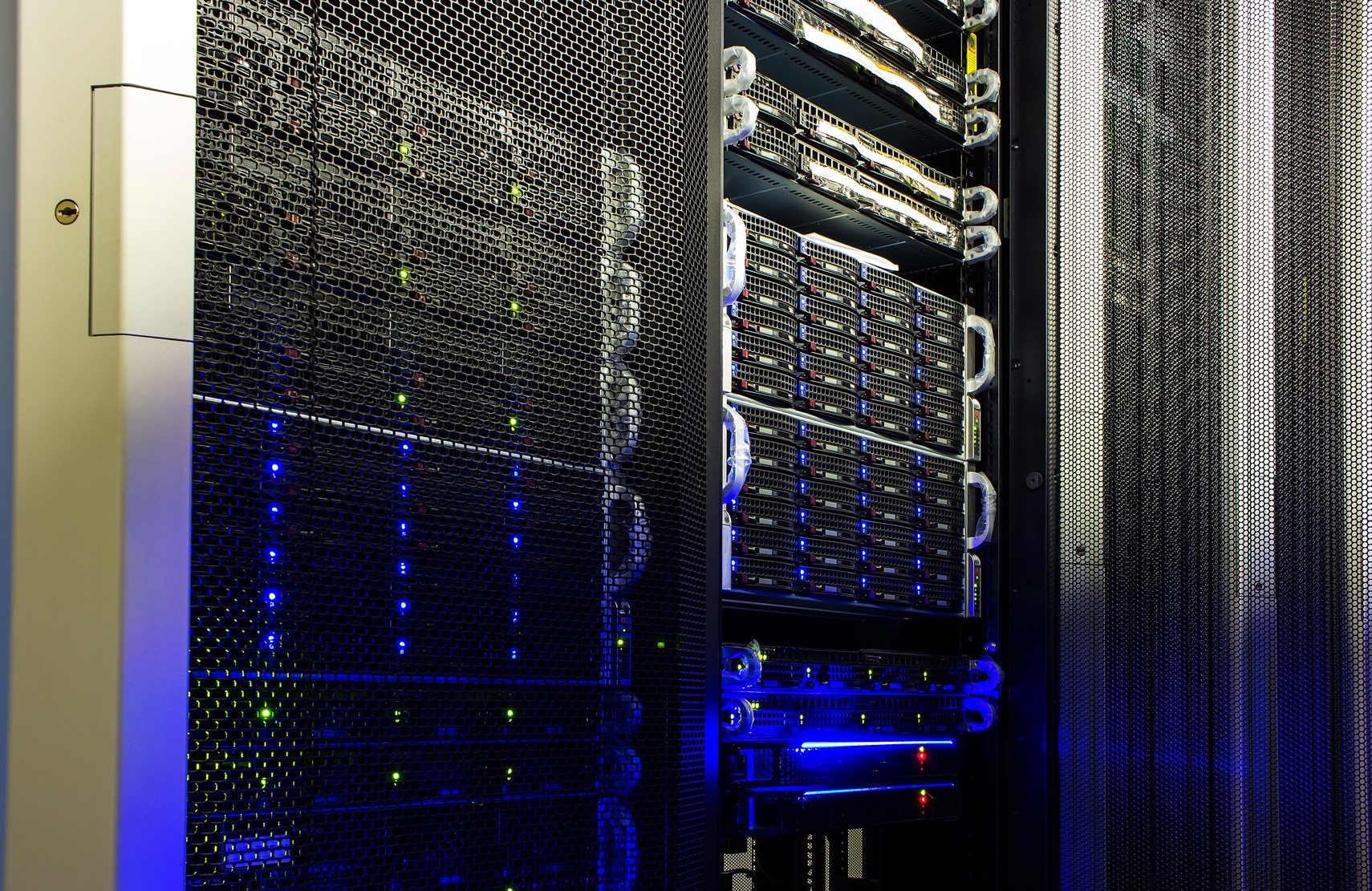
High availability (HA) ensures that your systems and applications remain accessible at all times, even in the event of a failure.
In a virtual architecture, this is achieved through mechanisms such as redundancy, backups and the ability to move VMs from one host to another without interruption.
In the physical world, when a server fails, the consequences can be serious:
On average, it takes several hours, or even days, to get a system back up and running in a traditional physical environment.
Fast recovery with virtualisation
With a virtual architecture, recovery is much faster:
How high availability works in virtualisation
Key benefits of high availability:
Virtualisation is the ability to run several separate servers (web, SQL, email, firewall, …), called
En savoir plusDiscover the many benefits of using a virtualised architecture!
En savoir plusVirtualisation comes in several forms to meet specific needs.
En savoir plus
